Original verdict
6.8/ 10VerdictOne of the most polished and strategically deep mobile 4X games ever made, with a seamless map that raises the bar. Genuinely engaging, but the grind and spending pressure are relentless.
Rise of Kingdoms is one of the defining mobile strategy games of the last decade. Released by Lilith Games in 2018, downloaded over 100 million times and reportedly earning north of a billion dollars, it is the game many competitors are quietly imitating. We went back in to see whether the reputation still holds up, and it largely does: this is a genuinely accomplished 4X with production values and design smarts to spare. It is also, unmistakably, a game engineered to convert your time and money into progress. Both things are true, and any honest review has to hold them together.
A map that raised the bar
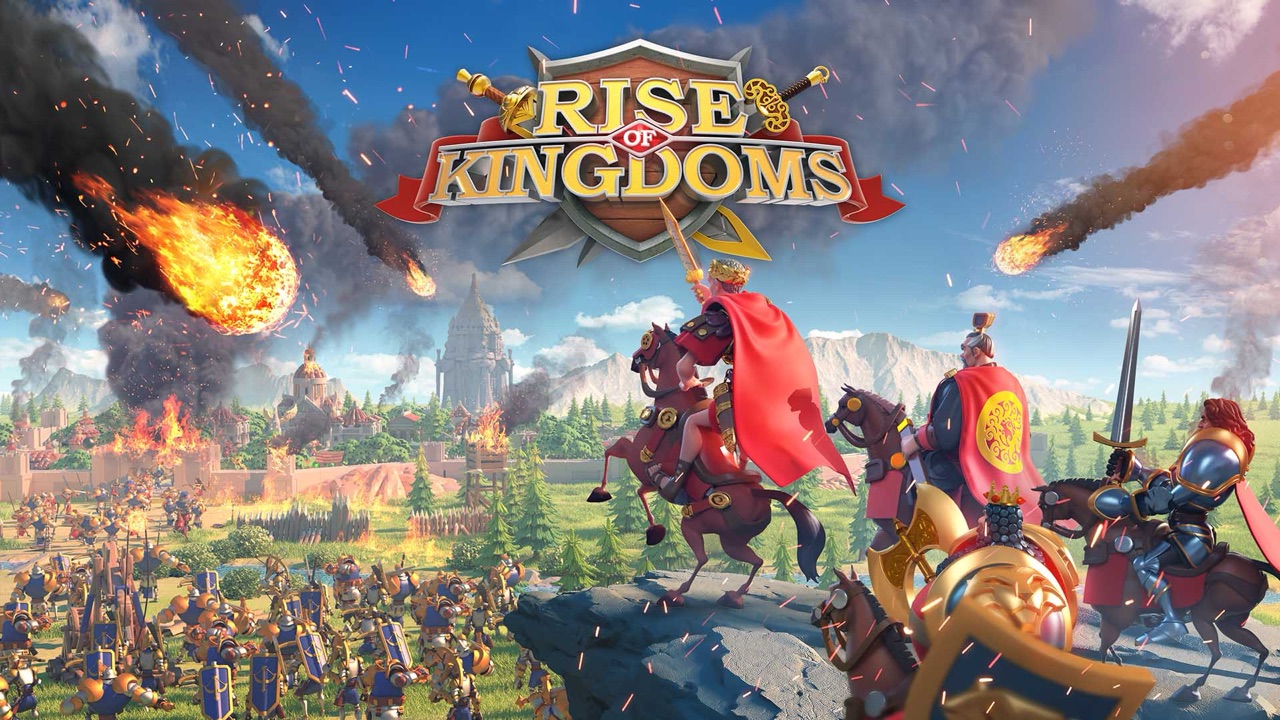
The feature that still sets Rise of Kingdoms apart is its seamless world map. Instead of the fragmented, loading-screen-gated maps common to the genre, you can zoom smoothly from a single soldier on the field all the way out to the whole continent without a break. It sounds small; in practice it transforms how the game feels. Scouting, marching troops, coordinating an alliance assault, everything plays out on one continuous canvas, and it gives battles and expansion a real sense of geography and scale.
That map is the stage for a strategy layer with genuine depth. You pick from historical civilisations, each with distinct bonuses, recruit and level commanders whose skills and pairings matter enormously, and juggle city-building, troop composition and a sprawling tech tree. The pieces interlock in ways that reward planning and knowledge. Get your commander pairings and rally timing right and the payoff feels earned. This is not a game you win by tapping; there is real thinking to be done.
The learning curve and the grind
All that depth comes at a cost to newcomers. Rise of Kingdoms throws an enormous amount of information at you up front, systems layered on systems, and the early hours can be genuinely overwhelming. It is not the sort of game you fully understand in a weekend, and part of the community's culture is the wikis, spreadsheets and guides players lean on to keep up. If you enjoy mastering a complex system, that is a feature. If you want to sit down and play, it is a barrier.
Then there is the grind, the beating heart of the genre and the game's central compromise. Building, researching, training and upgrading all scale into ever-longer waits and ever-larger resource demands. Staying competitive means either logging in relentlessly to manage timers and events or opening your wallet to skip the queue. This is deliberate, and it is where the game's design and its business model become the same thing.